
Data Networks using BioCASe
 |
 |
 |
 |
 |
 |
 |
 |
 |
 |
VH/de |  |
Portal software is used to create interfaces which can be used to perform queries on the network and retrieve data from different data providers. There are several portals accessing BioCASe data providers around the world, as you can see in the box to the left. Click on any on of the logos to get to the respective data portal.
This page lists portals that have been developed by BioCASe or related projects.
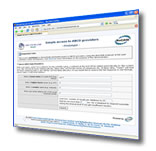 BioCASe Simple User Interface (demonstrator)
As a demonstrator on how to create portals that query BioCASe data providers, a simple portal was developed using Java technology (Java Server Pages with additional Java classes). The demonstrator runs a live query on the connected data providers, collects and displays the result documents.
You can read more and download the demonstrator here or try out the test installation at the BGBM. The GeoCASe project is using the Simple UI as a data portal.
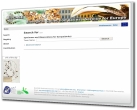 BioCASe 2 User Interface
Within the Synthesys II project, a more sophisticated portal has been developed. It doesn't run a live query, but is based on a cache database that allows faster and more convenient searches. Queries can be extended using several taxonimc thesauri, improving search results. In contrast to the GBIF data portal, the single-record view displays all information published originally by the data provider. Read more or download this portal here.
This portal can be used for free to set up user-specific or thematic networks.
 Global Genome Biodiversity Network (GGBN)
The Global Genome Biodiversity Network was establisehd in spring 2007 and aims to establish a technically optimized DNA collection service facility for biological research. DNA bank databases of all partners are linked and are accessible via a central web portal, providing DNA samples of complementary collections.